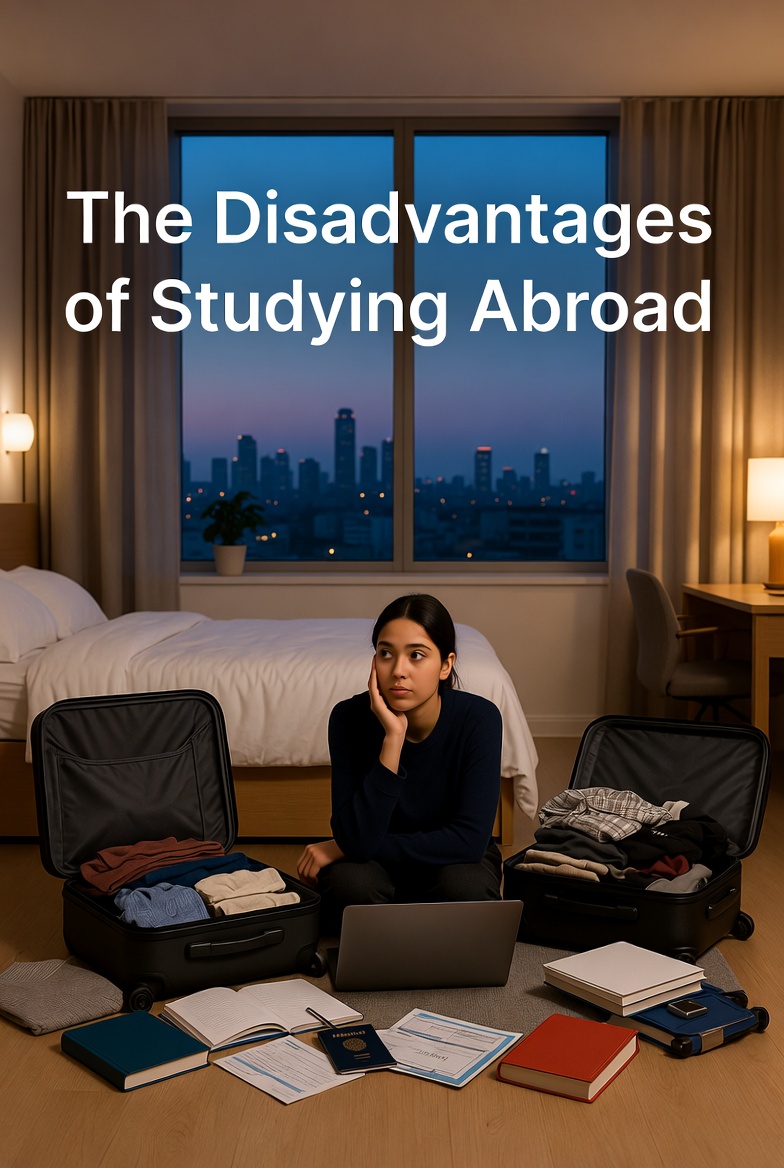
Studying abroad sounds like a dream—new cities, exciting cultures, and life-changing experiences. But while the Instagram-worthy moments are real, the journey isn’t always as glamorous as it seems. From culture shock to unexpected costs, there are several challenges of studying abroad that can take you by surprise if you’re not prepared.
Understanding these disadvantages of studying abroad ahead of time can help you set realistic expectations and develop strategies to tackle them head-on. Here are the five most common hurdles students face, along with practical tips to overcome them.
1. Language Barriers and Culture Shock
One of the biggest adjustments when studying overseas is the language barrier. Even if you have some proficiency, classes, conversations with locals, and everyday tasks might feel overwhelming. On top of that, culture shock can hit hard. The food, social norms, transportation, and daily routines might be completely different from what you’re used to back home.
This combination often leads to frustration, anxiety, and even homesickness, turning simple activities into stressful experiences.
How to Prepare for Language Barriers and Culture Shock
- Reach out to your program or university in advance to understand the language requirements for classes and daily life.
- Use language learning apps and translation tools before departure—save key phrases, directions, and important information.
- Connect with other students from your home country or join online forums and study abroad blogs to learn from real experiences.
- Research cultural norms, etiquette, and local customs thoroughly to ease the transition.
- Give yourself time to adjust and practice self-compassion during those first few weeks.
2. Feeling Isolated and Truly On Your Own
For many students, studying abroad is their first taste of true independence. Being far from family and friends can amplify feelings of loneliness, especially during the initial adjustment period. Without your usual support system, culture shock symptoms like sadness and isolation can feel much more intense.
How to Build a Support Network Abroad
- Connect with mentors or past participants through your school’s guidance office or program advisors.
- Reach out to classmates early on—use group chats, study sessions, or social events to form new friendships.
- Join clubs, sports teams, volunteer opportunities, or student organizations at your host university.
- Stay in regular contact with loved ones back home using video calls and messaging apps.
- Remember that it’s normal to feel this way, and many students form lifelong bonds during their time abroad.
3. The High Cost of Studying Abroad
Let’s be honest: studying abroad can be expensive. Between tuition, accommodation, flights, meals, transportation, and daily living expenses, costs can add up fast. Many sources estimate an average of around $18,000 per semester, though this varies widely depending on your destination and lifestyle choices.
Smart Ways to Manage Study Abroad Expenses
- Start planning early and apply for as many scholarships, grants, and financial aid options as possible.
- Check if your existing financial aid can transfer to your study abroad program.
- Create a realistic budget and track your spending from day one.
- Monitor currency exchange rates and consider destinations with favorable rates.
- Save money in advance by working extra hours or cutting costs at home.
- Look for deals on textbooks, use public transportation, and embrace local affordable eats.
4. The Risk That Your Credits Won’t Transfer
Few things are more frustrating than completing an amazing study abroad semester only to discover that your credits don’t count toward your degree back home. This can delay graduation and waste both time and money.
How to Ensure Your Credits Transfer Smoothly
- Stick with accredited programs and pre-approved options from your home university whenever possible.
- Get all potential courses pre-approved by your academic advisor before you leave.
- Apply for more course approvals than you plan to take to give yourself flexibility.
- Keep detailed records of your coursework, syllabi, and assignments while abroad.
- Communicate promptly with your home institution if any issues arise during your program.
5. Health Insurance Coverage Gaps Abroad
Many students assume their home country health insurance will cover them internationally, but this is often not the case—or the coverage is very limited. Medical emergencies abroad can become incredibly expensive without proper protection, which is why most programs require international health insurance.
Protecting Your Health While Studying Abroad
- Review your current insurance policy carefully or contact your provider to understand international coverage.
- Research and compare dedicated international student health insurance plans.
- Ensure your policy meets your program’s and visa requirements.
- Consider important benefits like emergency medical evacuation, repatriation, and prescription coverage.
- Look for plans that offer good value and high coverage limits without breaking the bank.
Final Thoughts: Is Studying Abroad Worth It?
Despite these potential disadvantages of studying abroad, the rewards—personal growth, global perspective, new friendships, and unforgettable memories—often far outweigh the challenges for most students. The key is preparation and the right mindset.
By anticipating these common study abroad challenges and putting solutions in place early, you’ll be better equipped to handle whatever comes your way. Your time abroad can still be one of the most transformative experiences of your life.
Have you studied abroad or are you planning to? Share your own tips and experiences in the comments below!
